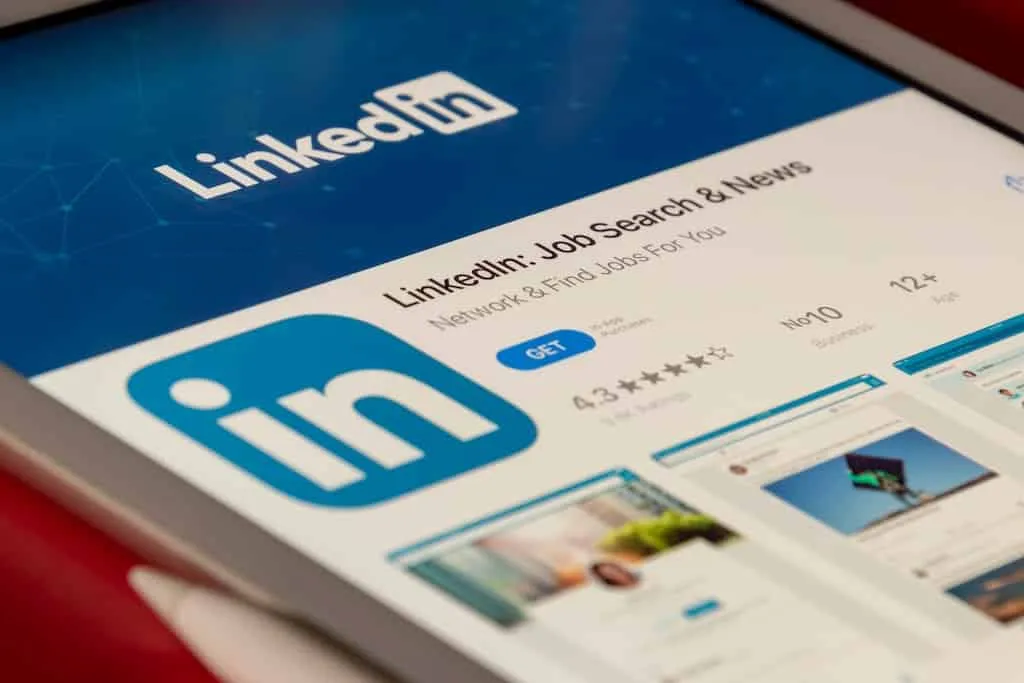
Globally, LinkedIn has long been the number one career network. Microsoft’s network also ranks first in Germany. A well-tuned LinkedIn profile helps freelancers enormously when it comes to attracting clients and maintaining business relationships. The more meaningful and authentic your profile is, the easier you will be found by potential clients and the easier it becomes to network properly!
Summary
Microsoft’s network LinkedIn is known and used by almost everyone who depends on a strong professional network. At the time of writing, the career network had around 16 million members in the DACH region alone - and 756 million worldwide. For freelancers, the platform is especially useful for building and maintaining contacts and for generating client inquiries.
Using the network is basically free, but some special search functions cannot be used without a premium account. The first requirement for using LinkedIn is a personal profile. You can use the platform successfully once you have added personal contact details, profile photos, a meaningful CV, and a few other things that we explain below.
Incidentally, you can adapt most of our ideas for your profile on Xing as well, although LinkedIn currently has a clear edge when it comes to business relevance, even in the DACH region!
Quick-win tips - Optimize your profile in under 20 minutes
If you want to get the most out of the network, authenticity is a key factor. Show yourself as you really are!
Profile picture
A professional yet appealing profile photo is the first impression a visitor gets of you. Your profile photo is also visible next to your name in comments and other interactions. Make sure you use an image that looks appealing and trustworthy. If needed, visit a professional photographer - this is a one-time expense and will have a positive impact on your appearance on LinkedIn and on the web in general.
Our tip: On LinkedIn, the profile photo always appears on the left side of the screen, so look slightly to the right in the picture - that feels more harmonious to the reader. Looking to the left can seem more rejecting.
Profile slogan
Right at the top of your profile page, directly under your name, is the so-called slogan. It plays a fairly important role on LinkedIn and currently allows up to 220 characters. Ideally, the slogan describes you, your work, or your interests. You should aim for a slogan with a unique selling point that stands out positively and includes common search terms, such as key qualifications you want to be found under.
Our tip: Present yourself authentically and convince people with your profile, your skills, and your interests. People like to identify with goals, not empty promises. So include your (potential) clients too. Your slogan should contain your field of expertise, for example “Android Developer”. Freelancers should include at least the keyword “Freelance / Freelancer / Freelancer” in the profile slogan.
Contact information
In addition to your LinkedIn information, you can leave contact options for profile visitors. These can include websites, channels, phone numbers, or email addresses. More is not automatically better; only include the information or pages on which you are actually reachable or active.
Our tip: If you are not active on LinkedIn on a regular basis, contact information outside the network is especially important. Of course, you can also enable email notifications so you get a message when someone contacts you. Do not forget to make your contact details, such as your email address or phone number, public or at least visible to your network.
Profile description / About
Compared with the slogan, the profile description gives you much more space to present yourself. Once the first impression of your profile is positive, you can continue to highlight your skills and experience. What makes you stand out? What can you offer? Here too, you can use certain keywords to make yourself easier to find. You should always keep your profile up to date and explicitly indicate that you are a freelancer.
Our tip: Follow the same strategy here and stand out. Summarize your expertise clearly and in a structured way. Less is more: only mention the skills related to areas you are passionate about, in which you can show expertise, and where you want to work again.
Work experience, education, and volunteering
This is where you summarize important information about your previous career steps, your education, and your volunteer work.
Our tip: For each role, include a few descriptive sentences about what exactly you did in that position, in your studies, or in your volunteer work, and include your lessons learned as well. Here, too, clearly align the information with what your future clients might be interested in. You can also add links to websites that support your claims.
4 pro tips for your standout LinkedIn profile
The tips above can raise your profile to a new level with very little effort. The following actions take a little more time, but are well worth it. They will help you stand out from the crowd.
Skills and endorsements
Although this appears far down in your profile, it is incredibly important - it is proof of what you can do. Under “Skills and endorsements” you can add your own skills and have them confirmed by your contacts, such as former clients or colleagues.
Our tip: Do not be shy - ask clients, colleagues, and friends to confirm your skills. This adds a lot of depth to your profile and makes it more convincing.
Recommendations
In addition to endorsements, recommendations are also important. People you have worked with can describe what makes you stand out and why they would recommend you. This helps external visitors get a more complete picture of you.
Our tip: Reach out proactively and ask for a recommendation. Besides the benefits mentioned above, recommendations from former clients or colleagues also give insight into your way of working and your ability to work in a team.
Network with others
On LinkedIn you can connect with colleagues, clients, and other freelancers, gradually building a large network of contacts over time.
Our tip: Do not add people you have barely or never had any contact with - quality is more important than quantity here as well. Your contacts should remember you and know who you are and what makes you stand out!
Activity
Regular posts and other activity can also help. This way, you appear in the feeds of your contacts and can benefit from their network as well, potentially generating client inquiries.
Our tip: Publish personal content about yourself, such as your morning routine or a great book. Professional posts can be convincing too - ideally, try different things and see what your contacts like.
Conclusion
In summary, your profile picture, slogan, and information about you and your background are the first building blocks on LinkedIn. Aim to stand out from the crowd, be easy to find, and convince with your skills - the rest will come with time. LinkedIn is also hugely important for client acquisition, because your profile there needs to leave a lasting impression. You can find more on client acquisition in our related blog article.
At ElevateX, we want to grow, learn, and develop together with our freelance community. Do you have any questions about your LinkedIn presence or are you looking for exciting projects? Get in touch with us!
FAQs
What should you know about quick-win tips to optimize your profile in under 20 minutes?
What should you know about 4 pro tips for your standout LinkedIn profile?
What should you know about the conclusion?

![Agentic Engineering Hiring Interview 2026 [+21-Question PDF]](/_astro/agentic-engineering-interview-featured-de.BlvVAp5j_Z9ib7o.webp)